How to Fix Rust on a Car: What to DIY and What to Hand Off
Share
How to fix rust on a car starts with identifying the problem: iron specks on the paint, a small rusty chip, or corrosion deeper in the metal. They need different treatment. A tiny non-structural spot may be suitable for a careful DIY repair, but appearance alone cannot confirm the depth. Bubbling paint, flaking metal or holes need a body shop assessment. AOA's paint correction page covers polishing and oxidation, but does not list rust repair, so ask before you book.
Quick Summary
Work out the type first. Iron specks, a chip with light surface rust and rust that has eaten through are three different jobs.
Iron specks in the paint respond to an iron remover, not sanding.
A small non-structural rusty chip may need preparation, compatible rust treatment, primer and touch-up paint. The repair system's instructions decide the method.
Bubbling paint, flaking metal or holes are body shop work. Chemical Guys says no detailing product addresses structural rust.
Rust on a frame, subframe, rocker panel or floor needs a professional inspection. Do not patch it yourself.
Inspect chips early and maintain the protective finish. This can reduce the chance of rust developing or returning; it does not guarantee it will stay away.
The fix depends on the cause, and a visual check cannot always show how deep damage goes. Chemical Guys distinguishes iron contamination, paint oxidation and corrosion in the metal; Haynes discusses repairing rust damage. The table below is this article's general triage guidance, not either source's classification or a diagnosis.
What you see
Possible explanation
Conservative next step (general guidance)
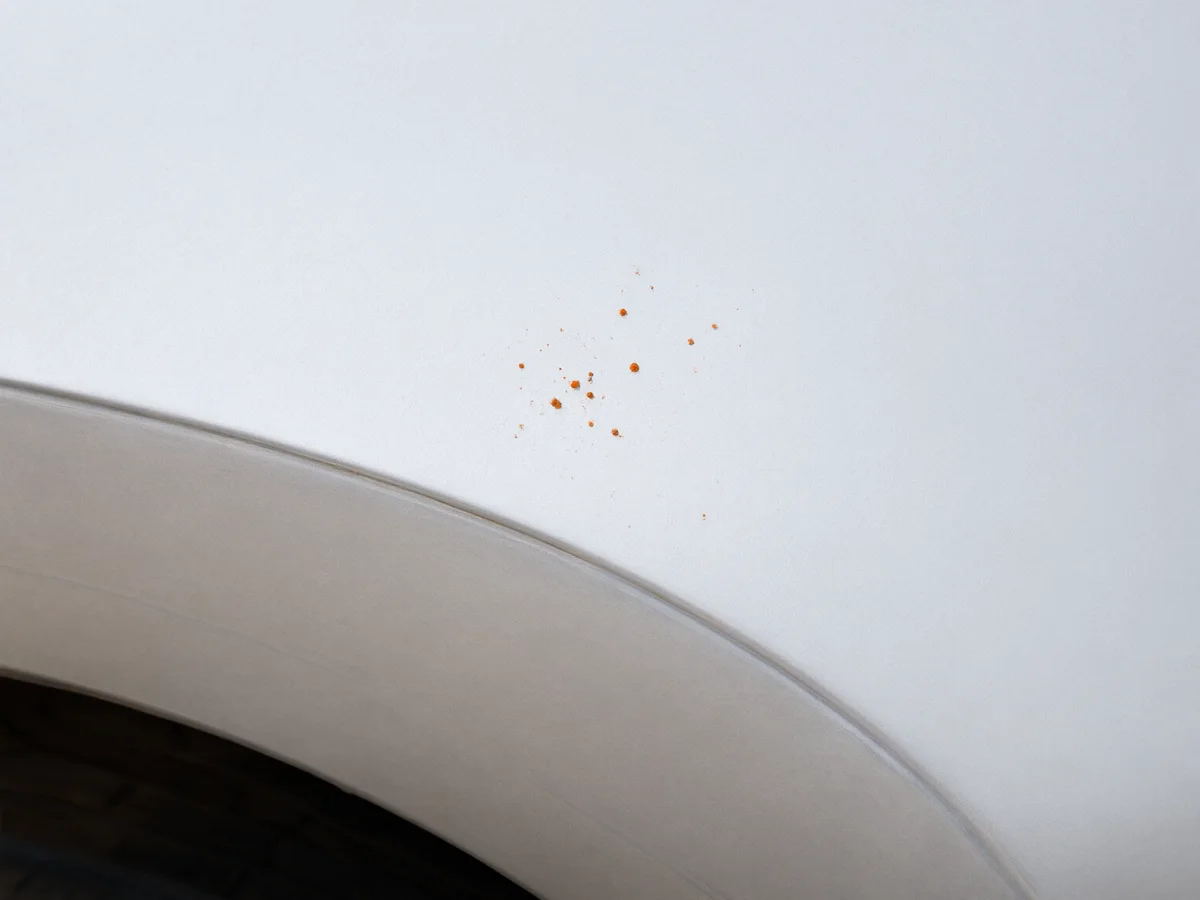
Tiny orange specks that feel rough after a wash
Embedded iron contamination may be responsible
Check that it is contamination on otherwise intact paint; use a paint-compatible iron remover according to its label, and reassess before any clay or polishing
A chip or scratch with brown or orange metal showing
Exposed metal may have surface corrosion; depth is not confirmed by appearance
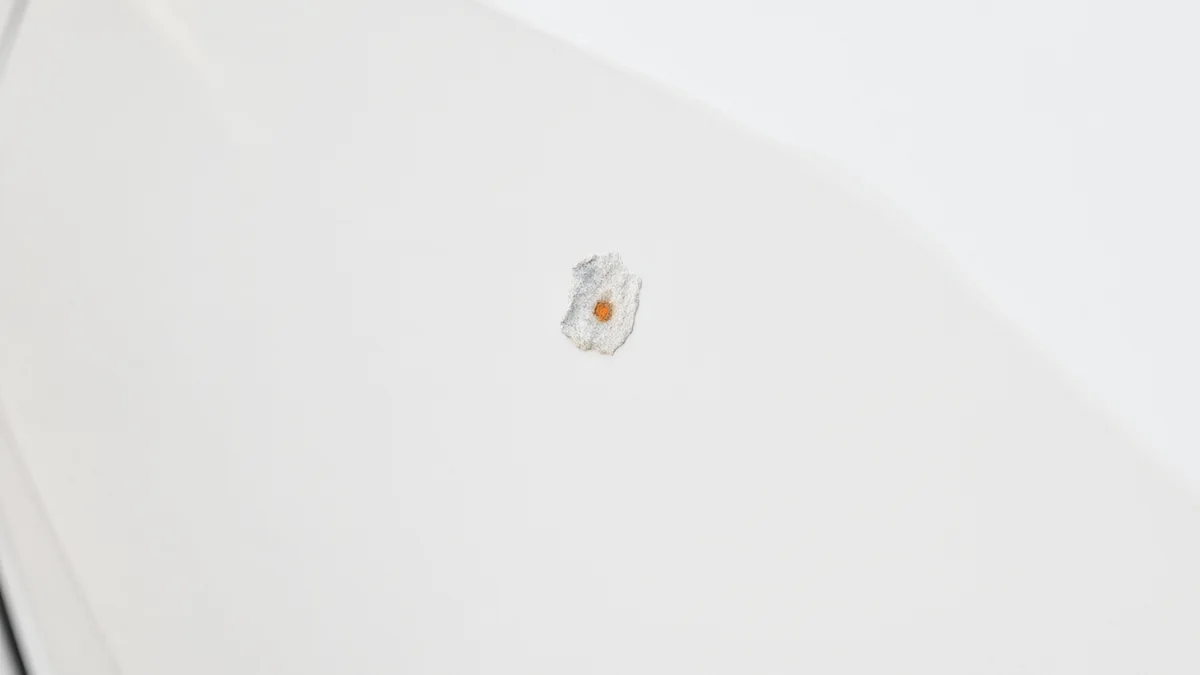
Have uncertain, spreading or pitted damage assessed; consider DIY only for a small, confirmed non-structural spot using a compatible repair system
Bubbling or flaking paint, deep pits, a soft spot or a hole
Corrosion may extend beneath the paint or involve metal loss
Obtain a body shop assessment; do not cover the damage with a cosmetic patch
Chemical Guys also notes that structural rust spreads sideways under the paint before it shows, so what looks small on the surface can cover a larger area. If you are unsure which row you are in, treat it as the more serious one until a professional looks.
AI-generated illustration
How to fix rust on a car: the surface-rust steps
For a small, confirmed non-structural chip, the broad repair sequence is preparation, treatment and refinishing. Haynes describes these stages, but its general article is not a product-specific instruction sheet. If you cannot confirm the extent of the damage or the right repair materials, have a body shop assess it.
Inspect the spot before starting. Clean the area and check its condition. Stop if you find bubbling, spreading corrosion, deep pits, soft metal or a hole, or if the affected area could be structural.
Choose the complete repair system. Follow its instructions for preparation, protective equipment, ventilation, compatible materials and drying times. Do not assume a converter, primer and paint from different products can be used together.
Prepare and refinish as directed. Limited surface repairs can involve removing loose corrosion, treating the remaining area where specified, priming and applying matching touch-up paint. The product instructions decide the tools, coats and whether clear coat is needed.
Let the repair finish cure before further work. Follow the paint maker's instructions before polishing, waxing or sealing. Chemical Guys' advice to protect polished existing paint is not a timetable for coating fresh repair paint.
These are an overview of the decisions involved, not a complete paint-repair tutorial. A body shop can assess the depth and finish a repair that is beyond your tools or experience.
How do you remove rust stains from car paint?
If the problem is rust-colored specks rather than rust in the metal, skip the sandpaper. Chemical Guys says these specks are iron particles from brake dust, rail dust and industrial fallout that have embedded in the clear coat and begun to rust, and that a chemical iron remover dissolves them without abrasion.
The brand's steps are simple. Spray the iron remover on a cool, clean panel, let it dwell for a few minutes as the label directs, then rinse thoroughly. Then run the plastic bag test, which is feeling the paint through a thin bag. If it still feels rough, a clay bar pass removes the rest. Light leftover discoloration may need a light polishing compound.
One warning from the same source matters if you plan to wax or coat the car afterward. Always decontaminate first, because iron left on the paint keeps reacting under a sealant.
AOA's paint correction packages include iron remover and clay as needed, and our guide to the clay bar treatment explains what clay does and does not remove.
When is rust a body shop job?
Surface rust is common and is not automatically a safety problem. The Drive, an automotive publication, says that even with surface rust the metal underneath keeps most of its strength, and that sandpaper and paint can be enough to stop the corrosion. Things change when the metal is gone.
Plan on a professional for any of these:
Holes or soft spots. The Drive says metal pieces with rust holes or heavy loss of metal have lost structural integrity.
Bubbling or flaking paint. Chemical Guys describes these as signs the rust has gone through the paint into the metal, and says no detailing product addresses it.
Frame, subframe, suspension mounts or floor. The Drive says a badly rusted frame, subframe or unibody is unsafe to drive, because those parts hold the suspension and engine in place and absorb crash forces.
Pitted rocker panels or lower doors. A shop can tell whether the damage is cosmetic or structural.
The Drive notes that repairing rusted floors or similar areas can require welding or custom fabrication. Ask a qualified body shop for a current written estimate and an assessment of what the car needs.
How do you keep rust from coming back?
Most rust starts where paint has been broken. Haynes says rust-through often starts with something as simple as a gravel chip or a door ding that cracks the paint, and that touch-up paint now and then can save hours of repair years later. Chemical Guys agrees: touching up a stone chip with a paint pen seals the bare metal before rust gets established.
A short routine helps:
Wash regularly. This removes fresh brake dust and iron before it embeds in the clear coat.
Use an iron remover every few months. Chemical Guys suggests every three to six months.
Watch the low spots. Wheel arches, lower doors, trunk edges and shut lines collect grit and expose bare metal first, according to the same source.
Reseal when water stops beading. Chemical Guys says to reapply sealant at that point, before bare clear coat is exposed.
AOA's guide to hard water damage covers how sprinkler overspray, in a city that sees very little rain to rinse it off, leaves mineral deposits that can etch clear coat. This is general guidance, not a point from the sources: damaged paint gives moisture an easier way in. For chips and scratches that have gone further, see rock chips and paint scratches.
AI-generated illustration
What can a detailer do about rust?
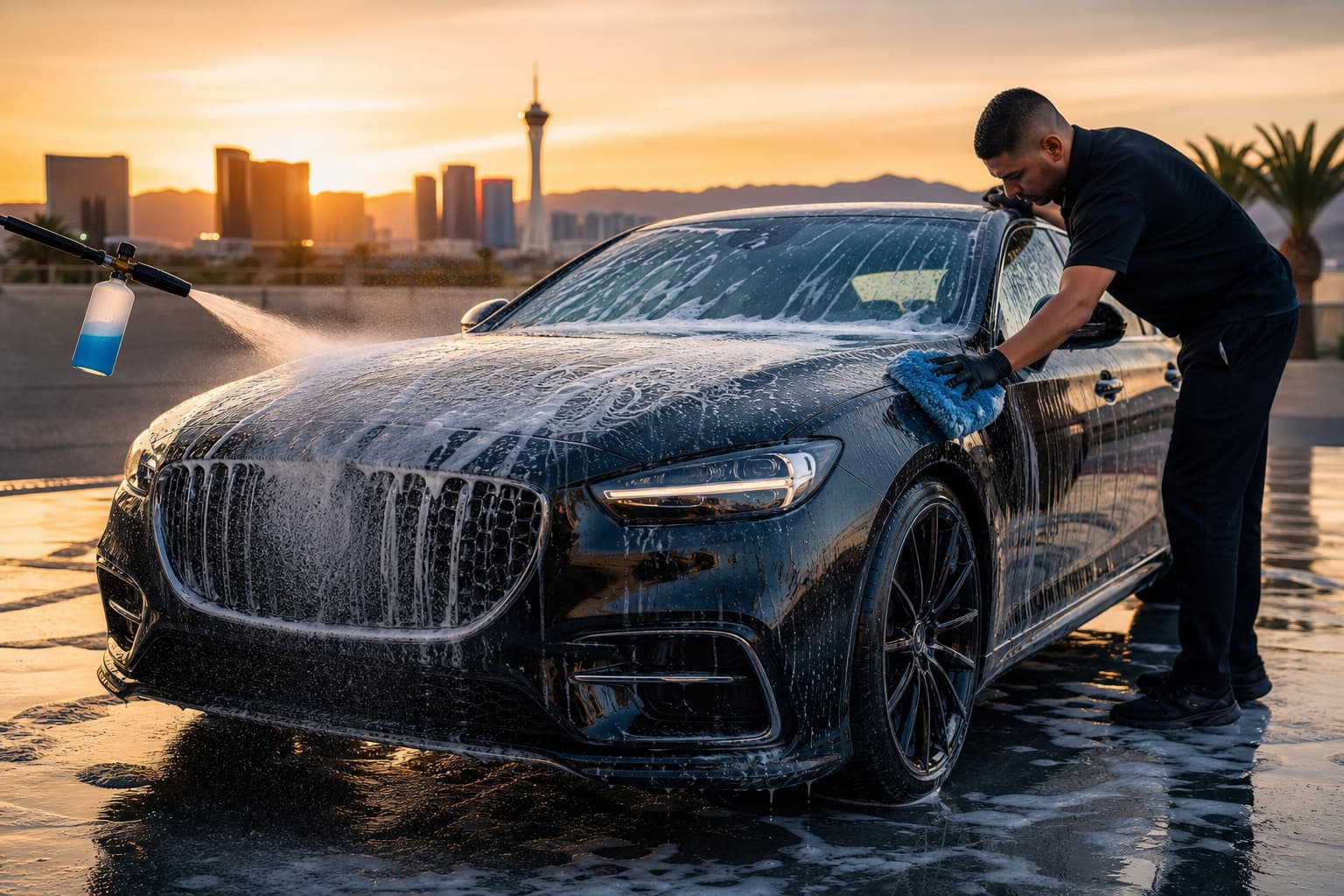
A detailer works on the surface of the paint. AOA Detailing is a mobile service in Las Vegas, and its exterior detailing page lists a hand wash, paint decontamination with a clay bar, a paint sealant, and bug and tar removal. Its paint correction page lists iron remover with clay as needed, light to moderate scratch removal and oxidation correction.
Neither page lists rust repair, body work or touch-up painting, so AOA does not claim to fix rust that is in the metal. If you are not sure whether a spot is iron contamination, oxidation or real rust, send a photo or describe it when you ask for a quote. Whether AOA can help with your car is something to confirm before you book.
For a related limit, our guide to clear coat peeling explains what detailing can and cannot fix when paint fails.
FAQ
Can you fix a rust spot on a car without repainting?
For iron specks, often yes: an iron remover dissolves them without sanding. For rust in a chip or scratch, you have to remove the rust and treat the bare metal, and that usually means touching up the paint afterward. Haynes describes primer and thin coats of touch-up paint. A spot that has gone through the metal needs a body shop.
Is surface rust dangerous?
A genuinely superficial patch may be cosmetic, but appearance alone cannot establish its depth or whether the affected part is safe. The Drive distinguishes surface oxidation from corrosion with significant metal loss. Have rust on a frame, floor or suspension mount, and any uncertain or spreading damage, checked by a qualified professional.
Does a rust converter replace sanding?
No. Haynes describes removing the loose rust and paint first, then using a converter if wanted. Converters differ, so follow the label on the one you buy.
Can a detailer remove rust?
A detailer can remove iron contamination and rust-colored stains from the paint surface and can seal the paint afterward. They cannot repair metal that has rusted through. AOA's service pages do not list rust repair, so describe the spot and ask first.
Need help telling which kind of rust you have?
If you see orange specks or a chip with rust, choose Book Now (Free Quote) or call (775) 244-5315 and describe what you see. You can also send a message. AOA Detailing is a mobile service in Las Vegas.