Why Bird Droppings and Tree Sap Are a Uniquely Fast Paint Threat in Las Vegas
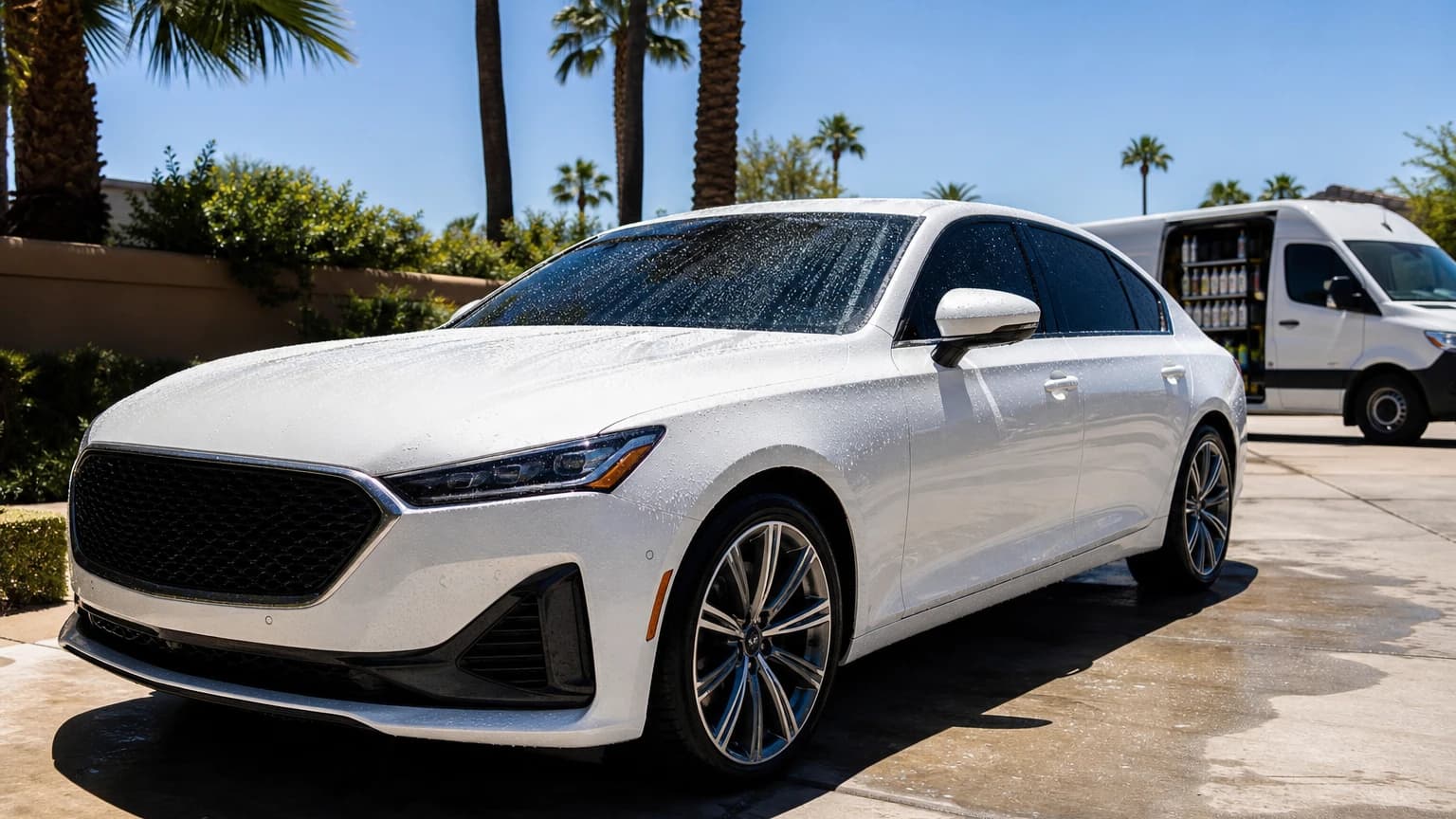
Most drivers treat a splatter of droppings or a drip of sap as a minor annoyance to wipe off whenever they get around to it. In Las Vegas, that delay is exactly what turns a five-minute cleanup into a paint correction appointment. Surface temperatures on a parked hood or trunk lid regularly exceed 150°F during summer, and that heat accelerates the chemical reaction between acidic droppings and clear coat dramatically faster than in a cooler climate.
AOA Detailing serves vehicle owners across Las Vegas, Henderson, Summerlin, and the rest of the valley within a 25-mile mobile radius, and Kevin’s team sees the same pattern on nearly every service call: a customer mentions “a bird got my car a while back” and points to a permanent dull ring or discolored spot that a simple wash will never remove. Catching the problem within hours, not days, is what separates a quick wipe-down from a paint correction bill.
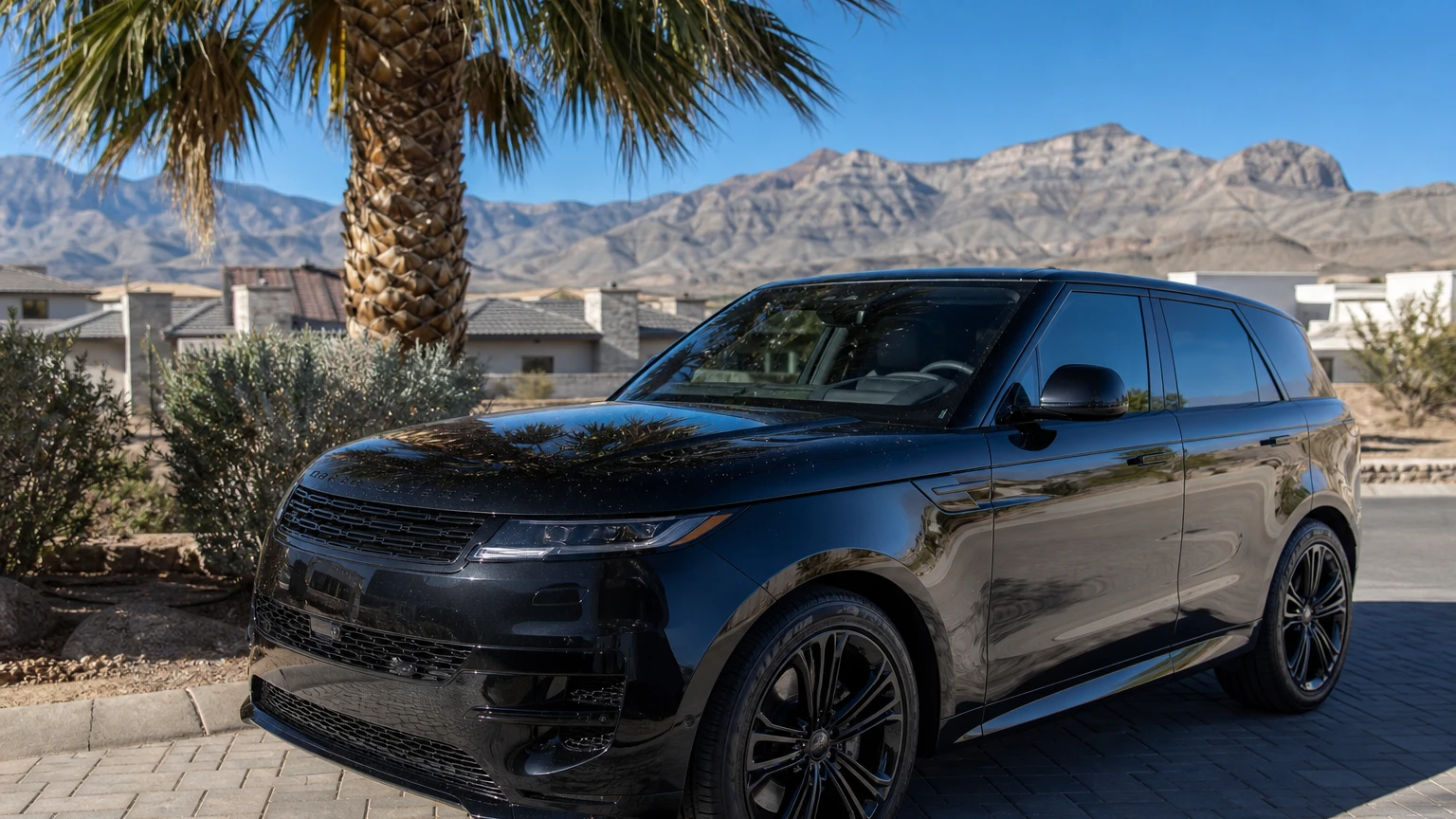
The Chemistry: How Acidic Droppings and Sticky Sap Eat Through Clear Coat
Bird droppings and tree sap damage paint through two different but equally destructive mechanisms:
- Droppings are acidic and contain uric acid. As the moisture evaporates in desert heat, the concentration of acid left behind climbs and begins to eat into the clear coat’s surface, leaving a dull, etched spot even after the visible residue is gone.
- Sap is sticky and traps grit against the paint. Tree sap acts like an adhesive, holding dust, pollen, and airborne grit directly against the clear coat. Every time wind or a car wash brush moves across that trapped debris, it grinds micro-scratches into the surface.
- UV exposure speeds up both reactions. Nevada’s intense UV index bakes droppings and sap onto paint faster than a shaded driveway in a milder region, which is why a splatter that might sit harmlessly for a day elsewhere can etch permanently here within a few hours.
- Dark paint shows it fastest, but every color is affected. Etching is most visible on black and dark-colored vehicles, but the clear coat damage happens on any color — it is simply harder to spot on lighter paint until the vehicle is washed and the sun hits it at an angle.
A neglected spot does not stay a spot. Left untreated through a full summer, repeated dropping strikes and sap drips compound into the kind of widespread dulling that shows up in AOA’s rock chips and paint scratches inspections as unexplained clear coat failure.
Where It Happens Most: Palm Trees, Parking Garages, and Strip-Adjacent Streets
Certain parking spots in the valley are simply higher risk than others:
- Under mature palm trees. Palms drop sap and attract roosting birds, and older, established trees in neighborhoods like Summerlin and Spring Valley are the most common culprits AOA’s team sees.
- Downtown and Strip-adjacent parking garages. Pigeons and grackles nest in the structural beams of open-air garages, and vehicles parked directly beneath a beam take repeated hits over a single day.
- Near mesquite and desert willow trees. These common Las Vegas landscaping trees produce a lighter sap than palms but still leave a sticky film that collects dust quickly.
- Office and apartment complex lots with mature landscaping. A car parked in the same shaded spot every workday is exposed to the same tree and the same bird roosts day after day, which compounds the damage far faster than a vehicle that moves locations.
If your daily parking spot checks any of these boxes, a quick daily glance at the hood and roof before wiping down is worth the thirty seconds it takes.
The Right Way to Remove It (and What Never to Do)
How droppings and sap get removed matters almost as much as how quickly. Kevin’s team follows a strict process on every service call:
- Never wipe dry residue with a rag. Dry droppings and hardened sap contain grit that scratches paint the moment pressure is applied without lubrication.
- Soften first with a pH-neutral detail spray or water. Letting a lubricating product sit on the spot for a minute or two loosens the bond before any contact touches the paint.
- Lift, don’t scrub. A soft microfiber towel folded to a clean section lifts softened residue rather than grinding it across the surface.
- Use a dedicated tar and sap remover for stubborn spots. Standard car soap will not fully break down hardened sap; a proper solvent-based remover formulated for automotive paint is required without damaging the clear coat underneath.
- Check for etching after cleaning. If a dull or discolored spot remains after the residue is gone, that is clear coat etching, not a stain, and it needs paint correction rather than another round of washing.
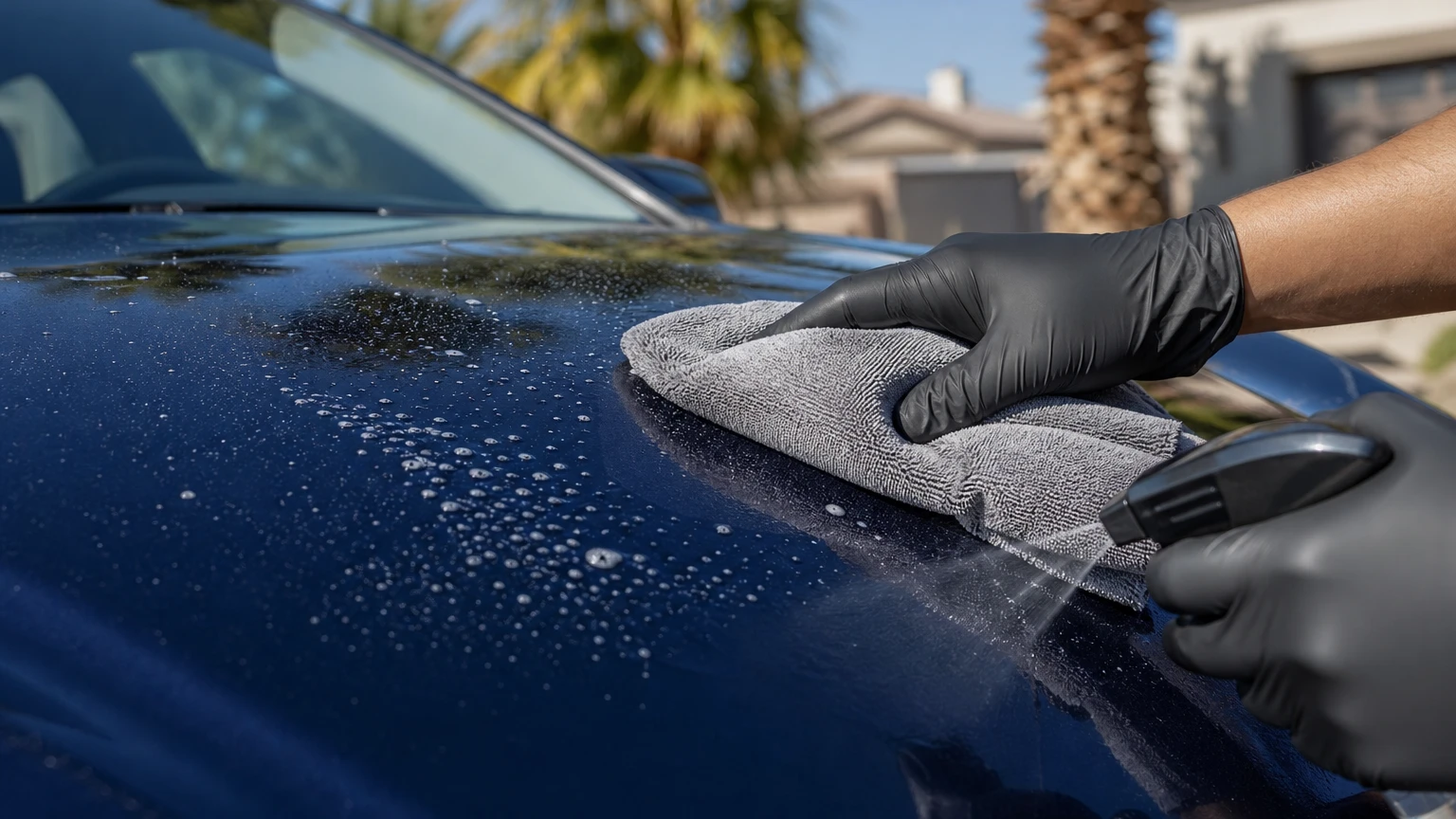
Owners who find etched spots after attempting DIY removal often need professional paint correction to polish out the damage, since at-home compounds can make light etching worse if used incorrectly.
How Ceramic Coating Changes the Equation
A ceramic coating does not stop birds from landing on a hood or a palm tree from dripping sap, but it fundamentally changes how much damage those events cause:
- A sacrificial barrier absorbs the acid first. Ceramic coating creates a hard, hydrophobic layer on top of the factory clear coat, so acidic droppings react with the coating rather than etching directly into the paint underneath.
- Sap releases instead of bonding. The slick, low-surface-energy finish of a quality coating keeps sap from gripping the paint the way it grips a bare clear coat, which means a wipe-down removes it cleanly instead of leaving trapped grit behind.
- A much wider safe removal window. Coated paint gives owners hours instead of minutes before a splatter needs attention, which matters for anyone who cannot check their car every time they walk past it.
- Coating still needs maintenance. A ceramic coating reduces risk dramatically, but it is not permanent protection — Kevin recommends periodic inspection and a maintenance wash to keep the hydrophobic layer performing at its best.
For vehicles that already show early etching, pairing paint correction with a ceramic coating in the same appointment corrects the existing damage and protects against the next splatter in one visit.
What’s Included in an AOA Paint Correction and Protection Visit
A standard AOA appointment focused on bird dropping and tree sap damage includes:
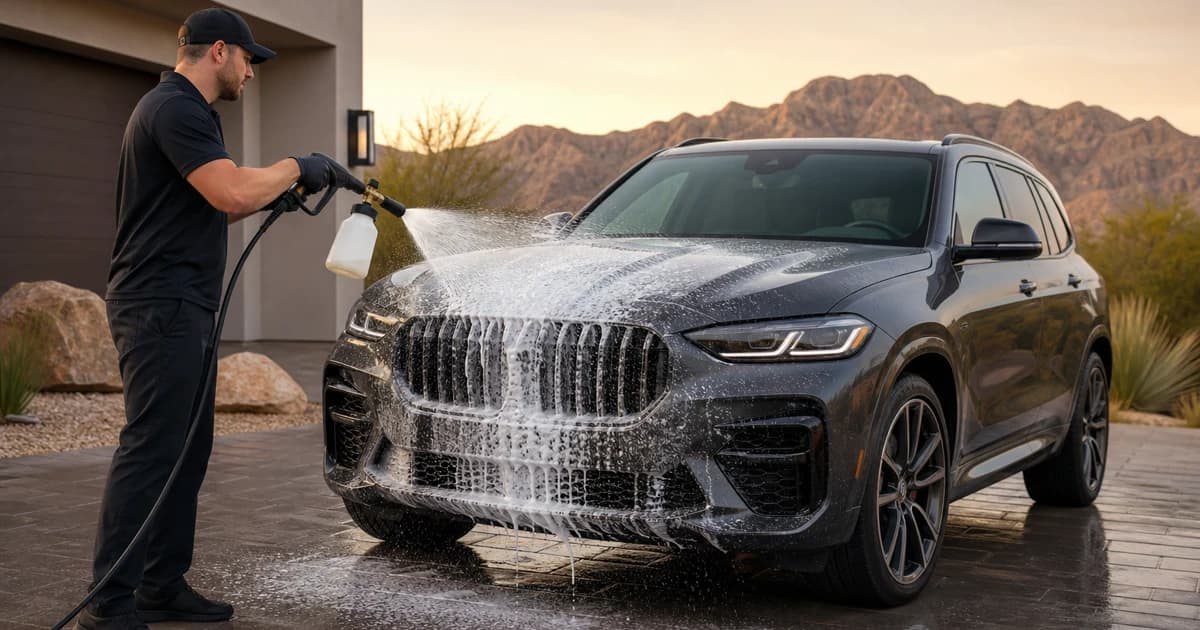
- Full exterior wash and decontamination. A hand wash and clay treatment lift embedded grit and residue before any correction work begins.
- Etching assessment. Kevin inspects the paint under direct light to identify which spots are surface residue versus true clear coat etching that needs correction.
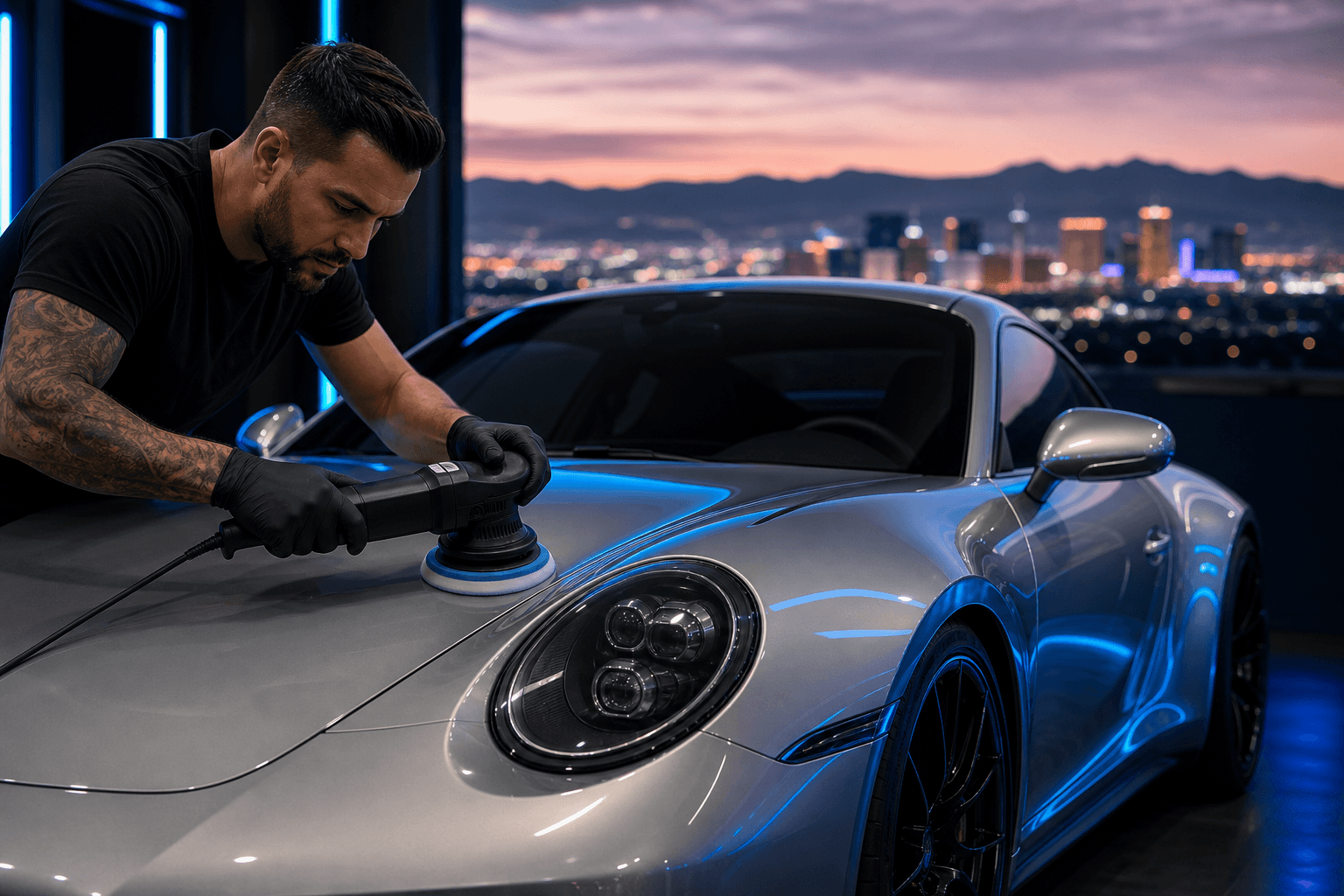
- Machine paint correction where needed. Multi-stage polishing removes etched spots and restores clarity and gloss to the clear coat.
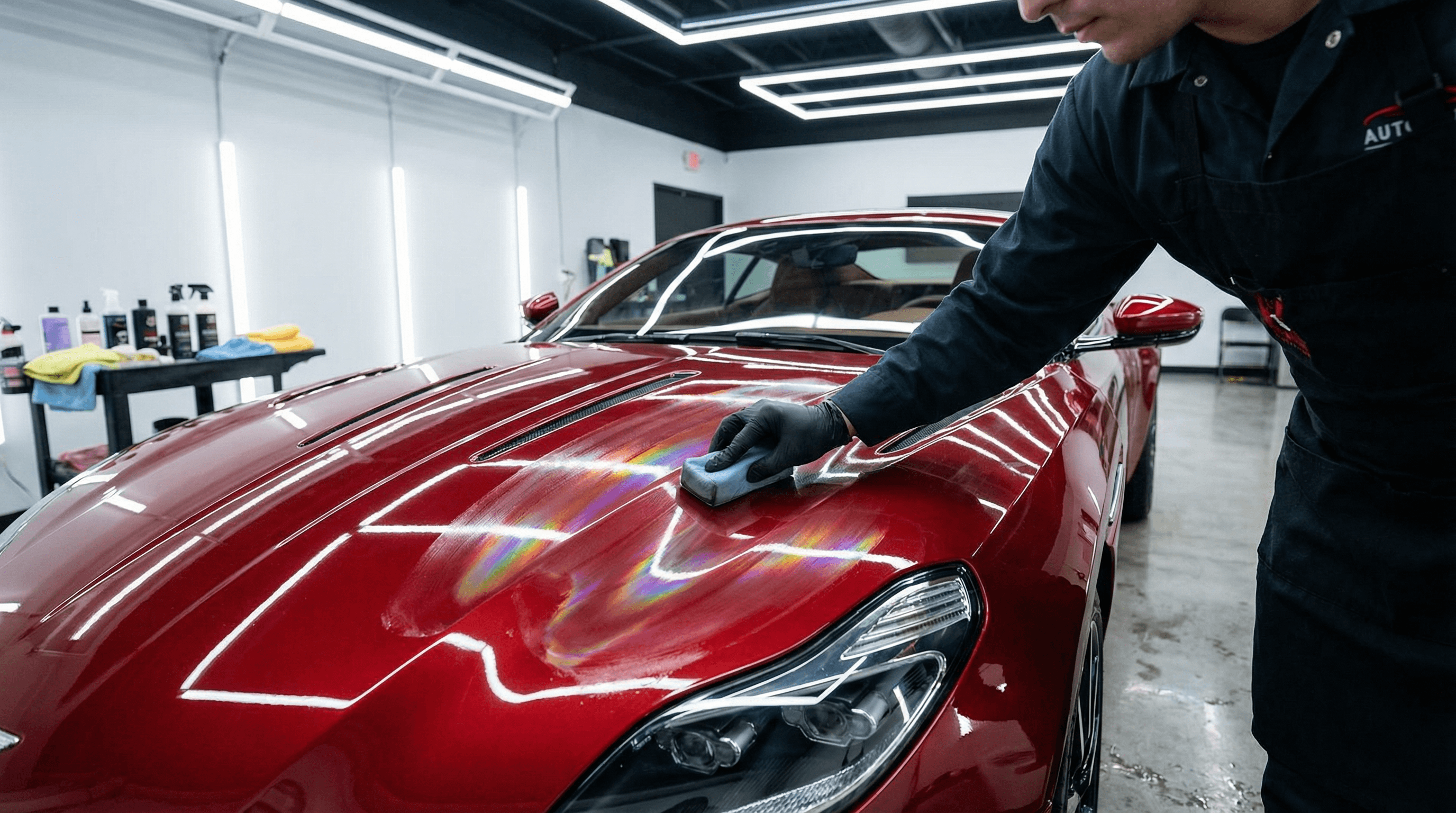
- Ceramic coating application. A protective layer that gives the paint a sacrificial barrier against future droppings, sap, and UV exposure.
- Same-visit mobile service. Kevin comes to the customer’s home, apartment complex, or office, so there is no need to drive across town for a shop appointment.
Owners preparing to sell or trade in a vehicle often pair this with AOA’s full detailing package to address paint issues alongside a complete interior and exterior reset before photos or an appraisal.
How Often to Check Your Car in Palm-Lined Neighborhoods
Kevin recommends a visual check of the hood, roof, and trunk lid every few days for vehicles parked regularly under palms or near garage roosting spots, with a full detail and inspection every eight to ten weeks during peak spring and summer bird and pollen activity. Vehicles parked in open lots away from mature trees can typically stretch to a quarterly detailing schedule. For guidance on how your specific parking situation and driving habits affect the right interval, AOA’s broader breakdown on how often to detail your car covers frequency by vehicle type and exposure.
Booking Your Detail
AOA Detailing is fully mobile, so a paint correction and protection appointment happens at your home, apartment complex, or office rather than a shop visit. Kevin personally completes every job and will point out any etching or sap residue he finds before recommending a service plan.
To book, use AOA Detailing’s online booking or call Kevin directly at (775) 244-5315. You can also reach out through the contact page with photos of the affected area before scheduling.
Frequently Asked Questions
1. Can bird droppings really damage car paint permanently?
Yes. Bird droppings are acidic, and as the moisture evaporates in Las Vegas heat, the acid concentration increases and etches the clear coat if it is not removed within a few hours.
2. How long can tree sap sit on a car before it causes damage?
Tree sap can begin trapping grit against the paint within an hour in direct desert sun, and the longer it sits, the harder it becomes to remove without leaving light scratches from embedded debris.
3. Is it safe to wipe off dry bird droppings with a paper towel?
No. Dry droppings contain grit that scratches the clear coat when wiped without lubrication first. Soften the spot with water or a pH-neutral detail spray before any contact.
4. Does ceramic coating stop birds from landing on my car?
No, but it protects the paint underneath by creating a barrier that absorbs the acid and releases sap far more easily than bare clear coat, giving owners a much wider window to clean it off safely.
5. Can AOA Detailing fix etching that has already happened?
Yes. Machine paint correction removes light to moderate etching from droppings and sap, and pairing it with a ceramic coating protects the corrected paint from the same damage happening again.
Kevin is the founder and owner-operator of AOA Detailing and personally completes every appointment. With more than a decade of hands-on detailing experience in Las Vegas conditions, he provides mobile interior, exterior, paint-correction, and ceramic-coating services across the valley. Call (775) 244-5315, contact AOA Detailing, or book online.